


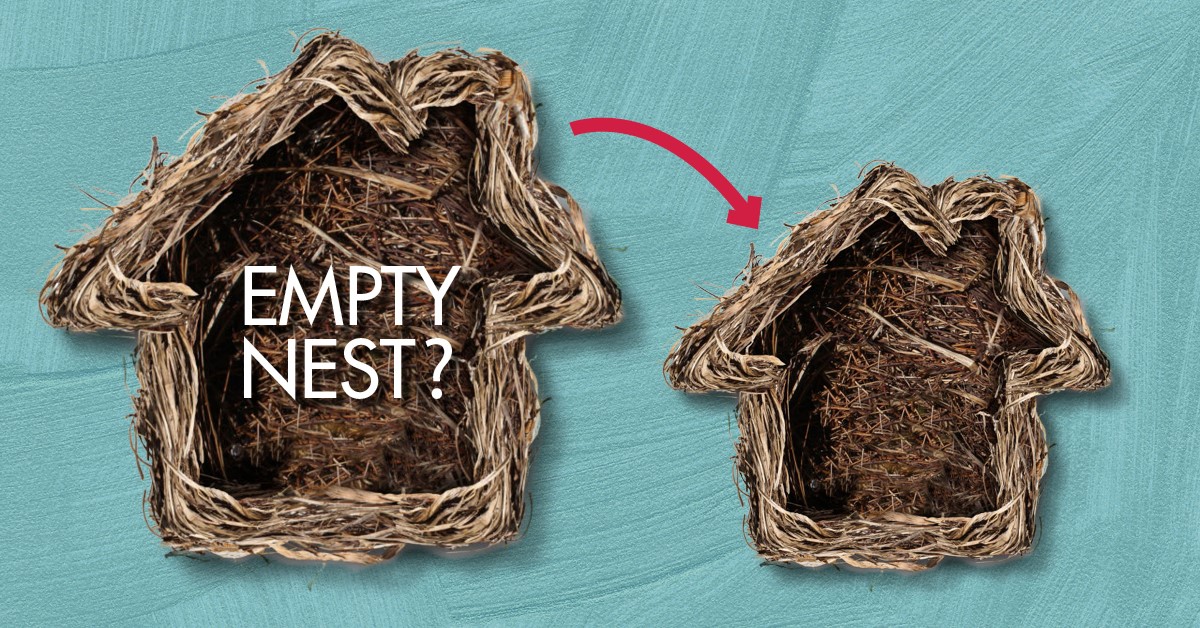
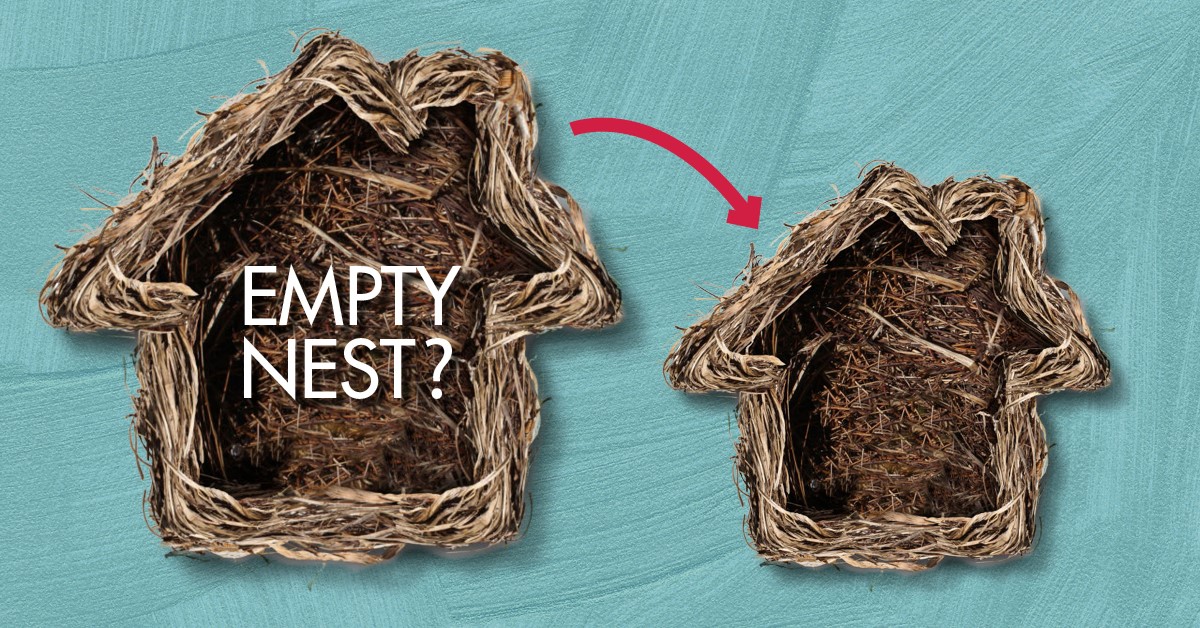
While there’s many factors that come into play when considering downsizing for retirement, some factors affect you as a homeowner more than others. It’s very common for people to downsize to a smaller home either when they retire or just before it’s time to retire. Together, we’ll look at some tips and factors that come into play when making the life changing choice to downsize.
1.) Home Retirement Options
When planning for retirement, it’s important that you take into consideration the location of your new neighborhood and which type of property you want to purchase. You must ask yourself “Do I want to stay local?”, secondly “How much space do you need to live comfortably?” and lastly “What is my price point for purchasing a new home?” You must make the decision if staying close to family is a priority or if it’s time to start looking at waterfront properties. It’s crucial that you locate a home that’s a good fit for you and your new lifestyle.
2.) Size Matters
How much are you willing to give up in terms of size of your new home. Do you still want to have the option to do some gardening or do you need a swimming pool for the family to enjoy when they visit? Have you considered living in a residential retirement community? These retirement communities can still deliver the conveniences you’ve grown accustomed to with the added benefits of a healthy social lifestyle with other retirees. If it’s outdoor space you want, retirement communities offer shared gardens, where you can still enjoy the hobbies you love.
3.) What Are The Costs Associated With Downsizing?
Now that you are retired, it’s imperative that you adjust your new lifestyle to your allocated retirement savings you’ve accumulated. Your next step is to determine the likely cost for downsizing. To calculate this expense, you’ll want to contact an experienced real estate agent for your current property valuation. Once you’ve determined how much equity you currently have in your home, that will give you a price point to keep in mind when finding your ideal retirement property. Following your property evaluation with an experienced real estate agent, your next step is to take in all the considerations of calculating the cost of the move itself. Cost to keep in mind when calculating the cost of moving for retirement are real estate agent fees, cost of hiring a moving company and the potential added cost of any decorating your new home. If your downsizing to save money, you must calculate all the numbers associated with your move. Determine your existing home costs, including mortgage, city utilities, taxes, insurance, and other costs Downsizing within your current neighborhood can likely save you money in the long run.
4.) Have You Consider a Renting?
I know what you’re thinking, “I’m retired! Why would I want to rent when I just sold my home?” Don’t completely toss out the idea of renting when you’re thinking about downsizing your home for retirement. Deciding on a rental could significantly reduce your overall living costs and in the long run, make those living costs more predictable since you’re not liable for potential repairs and property maintenance.
Obviously, downsizing through renting isn’t for everyone retiring. At any moment your rent could increase or you might be asked to move out on a short notice. However, the benefits to renting allow for someone else to be responsible for home repairs and yard work you would rather not deal with for any number of reasons. So, don’t completely remove renting from your list of options when taking into consideration your home retirement options.
Check you latest home price