


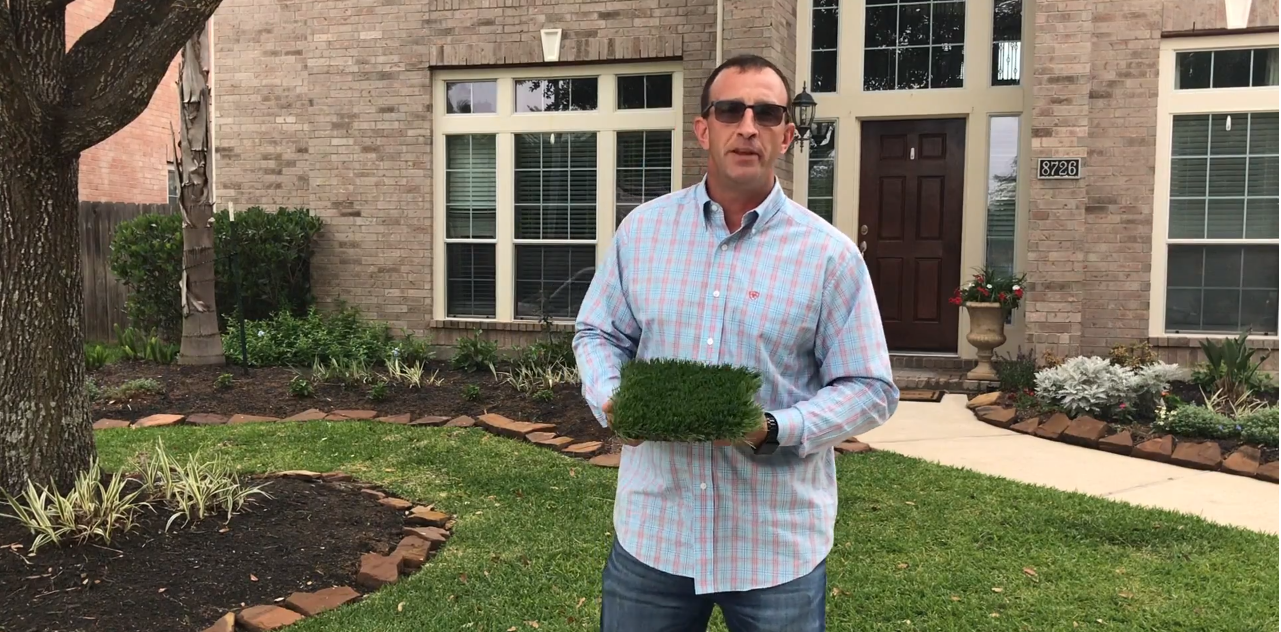
Well-tended landscaping is critical in giving your home the curb appeal that it needs. Whether you’re a first-time homeowner or just want to freshen up your landscape, there are several key components that are essential in creating and maintaining a healthy, beautiful yard. We spoke with landscaping professional Chris Helms from Helms Landscape Design, LLC regarding all things lawn maintenance. These basic tips will help you create landscaping that is both practical and aesthetically pleasing.
1. How often do I need to water my grass?
Watering your lawn is dependent upon a variety of factors, including soil type, sunlight, grass type, and regional climate to name a few. On average, most lawns need 1 to 1.5 inches of water a week to stay lush and green. If you have a new lawn, it is recommended to water it every day for 10 minutes so the root systems can get established. After that, you can taper off to twice a week for 20 minutes. To prevent the water from evaporating too quickly, it is best to water your lawn in the early morning before the sun comes up – ideally between the hours of 4:30-5:00 AM – when the air is at its coolest and wind is at a minimum.
2. What do I need to know about the soil in my raised flower beds?
One of the biggest mistakes you can make when filling your raised flower beds is using only potting soil or compost – this will cause your soil to drain too quickly, washing away necessary water and nutrients. It is best to use a mixed soil for your raised beds that is rich in organic matter and nutrients. A good rule of thumb is to add fresh mulch at least twice a year so the plants have the best opportunity to retain soil moisture. This also improves the appearance of your beds and suppresses weed growth.
3. What should I know about re-potting my plants?
When plants outgrow their containers, the roots are no longer able to receive proper nutrients from the soil and the health of the plant will suffer. Every time you move your plant from a small container to a larger one, place the plant in the new container and fill it in with fresh potting soil, gently pressing the soil in. Generally, you should replace your potting soil at least once a year, or when you notice the soil becoming compacted and dry. It’s also important to not overwater your plants, as this can cause the plant to slowly suffocate and become wilted.
4. What are the benefits to using artificial turf/grass?
There are several benefits of using artificial grass for those who are interested in drought-tolerant landscaping. Artificial turf allows you to cut back on the time required to maintain your lawn, including time spent mowing and watering. Additionally, it’s more environmentally friendly. It doesn’t require the use of fertilizers, pesticides, or other potentially harmful chemicals, and cuts down on carbon monoxide emissions from weed eaters and mowers. Most importantly, it’s safe for kids and pets!
5. When is the best time of year to “scalp” my grass?
Lawn scalping refers to cutting your grass low enough that the stems of the grass blades are exposed. Scalping helps to clear away any winter debris from your lawn and exposes the soil to more sunlight, which helps warm the soil and promotes growth. If you wish to scalp your lawn, it’s best to do it once a year right after the winter has passed (either late February or early March) to allow the grass the entirety of spring to recover.
6. How do I secure the drainage from my home?
If left untreated, standing water next to your home’s foundation can be problematic. The space in between two homes is typically where you get a drainage area. You first want to make sure that you are not overwatering the area. In most cases, just a few minutes for the side of the home is plenty. If the area does not receive enough sunlight, another option would be to put in underground French drains to move the water out onto the street.